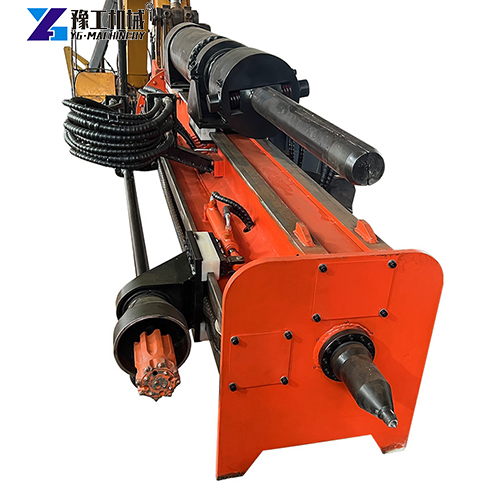
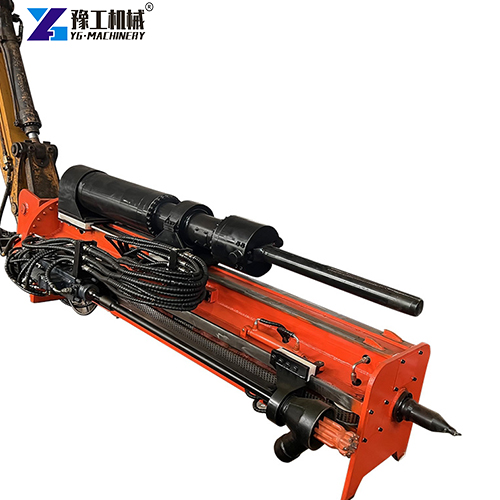
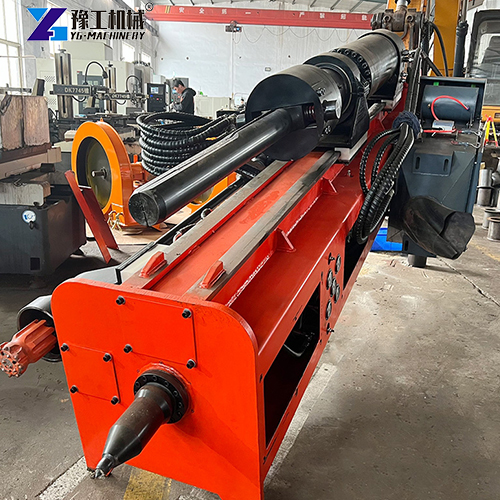
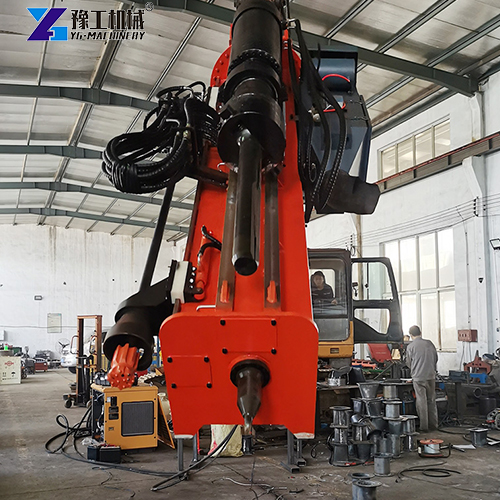
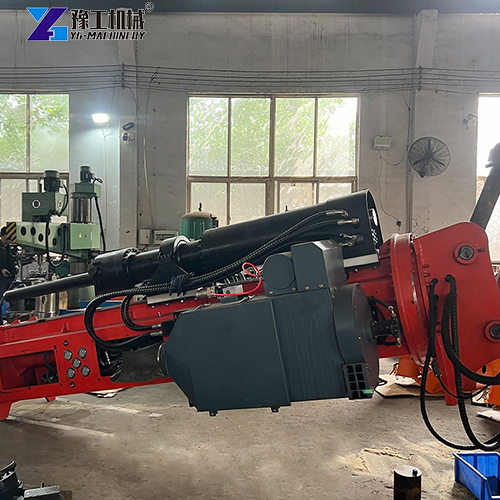
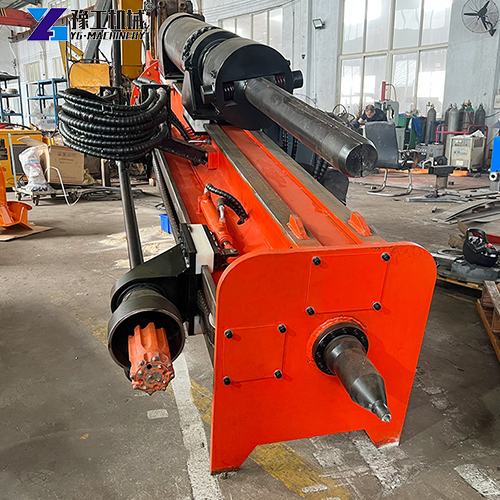
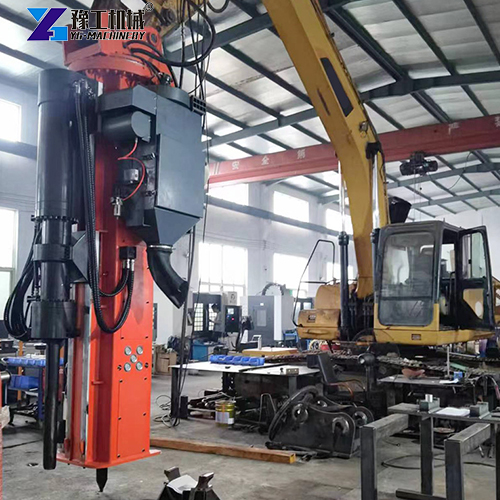
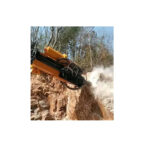
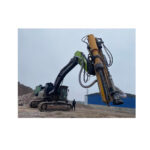
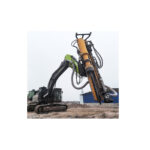
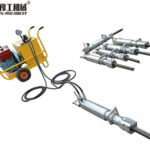
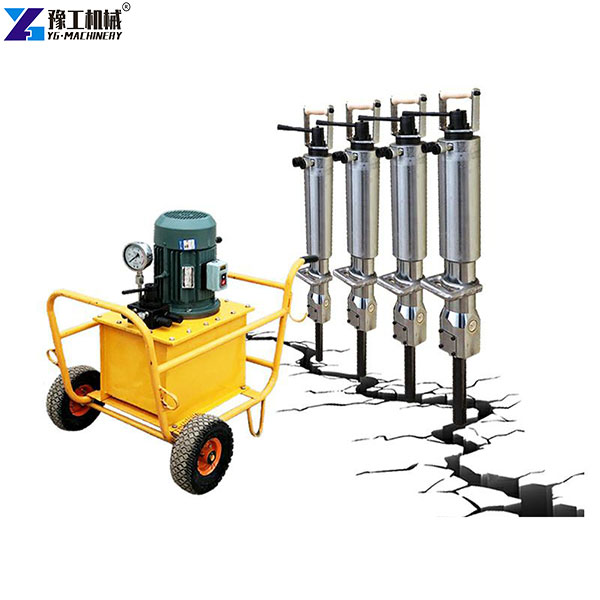
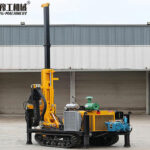
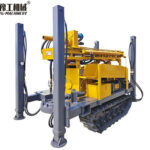
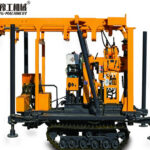
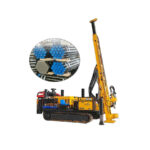
It sounds like a tough engineering challenge to pack the core functions of two professional machines into one attachment while guaranteeing precise drilling and powerful splitting. Yet the integrated rock drill and splitter has turned this idea into reality. It integrates hydraulic drilling technology, a two-stage booster splitting system, and wireless remote control technology, forming an efficient closed-loop operation of “drill first, then split” within an integrated body. Equipped with imported wedge materials and Swedish drilling technology, this equipment strikes a new balance in integration level, reliability, and working efficiency.
Separate Rock Splitter Vs Integrated Rock Drill and Splitter
Currently, there are two mainstream rock breaking solutions on the market. The first one is the traditional combination of an excavator-mounted drill rig plus a separate rock splitter. The second option is an integrated rock drill and splitter. There are obvious differences between them, and your selection depends on actual working conditions:
Equipment Switching: The separate solution requires repeated installation and removal of the drill rig and splitter, which is complicated and time-consuming. excavator rock drill and splitter integrates both functions on one unit, completing the whole drilling and splitting workflow without equipment replacement.
Hole Alignment Accuracy: For the separate setup, the splitter often struggles to align accurately with pre-drilled holes. After drilling, the excavator rock drill and splitter automatically rotate the splitting head and insert it into the hole with precise positioning.
Working Efficiency: The separate solution involves frequent movement of the excavator, leading to redundant travel and low productivity. This drill & splitter serves two purposes in one machine. It cuts 50% of the time spent on equipment switching and boosts working efficiency by 60%, compared with operating a drill rig and splitter separately.
Application Range: Limited by repeated equipment assembly and disassembly, the separate combination struggles with multi-angle operations. drilling and splitting machine can drill vertically or upside down precisely, easily coping with harsh environments such as steep mountain slopes.
What Benefits Can You Get from Using YG Integrated Rock Drill and Splitter?
Choosing an excavator rock drill and splitter brings tangible advantages for your engineering projects:
Doubled Efficiency: Drilling speed reaches 800–1000 mm per minute, and splitting takes no more than 30 seconds per hole. Its working efficiency is 4 times higher than conventional hydraulic breakers, greatly increasing daily rock output.
High Safety: The machine operates under static hydraulic pressure, with no risks of flying rocks, vibration, or misfires. Operators can work remotely via wireless remote control or from the excavator cab, without complicated safety precautions.
Environmentally Compliant: It creates no vibration, low noise, and minimal dust during operation. It can work without disturbance in densely populated zones or near precision equipment, meeting increasingly strict environmental regulations.
Multi-purpose Function: After removing the drill-split head, the excavator resumes normal digging work. Truly one machine for excavation, drilling, and rock splitting.
Precise Control: The splitting direction, shape, and size can be pre-defined accurately. High splitting precision reduces overbreak and underbreak and avoids damage to surrounding structures.
5 Key Technical Parameters You Must Check Before Buying an Integrated Rock Drill and Splitter
When purchasing a rock drilling and splitting machine, the following five technical parameters directly determine machine performance and return on investment:
Matched Excavator Tonnage: Confirm compatibility with your existing excavators. YG-130 fits excavators starting from 20 tons. There is no need to purchase extra-large equipment, significantly lowering entry costs.
Drilling Diameter & Depth: Drilling diameter decides matching suitability for splitting heads; drilling depth limits the maximum thickness of rock layers that can be split at one time. YG-130 supports 115–130 mm drilling diameter and a maximum drilling depth of 1900 mm, covering most hard rock working conditions.
Splitting Thrust Force: This is the core parameter, determining whether the machine can break ultra-hard rock such as granite and basalt. Synchronous pressurization of two-stage splitting cylinders delivers a maximum splitting thrust of 160 KN, capable of breaking all types of hard rock.
Hydraulic System Pressure & Flow: The unit must match your excavator’s hydraulic system. Maximum hydraulic pressure of 35 MPa and hydraulic flow of 240 L/min guarantee sufficient power for drilling and splitting.
Machine Weight & Gravity Design: Unit weight directly affects excavator stability during operation. The weight of the drill & splitter concentrates on the rear side of the excavator head and stick, preventing forward weight shift and loss of balance during high-reach operations. Small excavators can operate steadily.
How to Extend the Service Life of Drill Rods and Splitting Wedges?
Proper maintenance keeps your integrated rock drill and splitter operating efficiently for a long time and lowers spare part replacement costs:
Clean Hydraulic Oil: Clean and replace the oil suction filter of the hydraulic power unit on schedule. Shut down the machine for inspection and full oil replacement immediately if the hydraulic oil turns turbid or emulsified.
Control Drilling Quality: Avoid inclined holes and shallow holes, and do not drill on poorly stressed rock sections. Clear rock debris from drilled holes before inserting the splitting gun, to prevent deformation of guide grooves caused by forced insertion of jammed wedges.
Standard Operation: Never activate pressure boosting before wedges are fully inserted into holes, as this can easily bend the wedges. Do not maintain high pressure for a long time once rock is split; this accelerates seal wear without generating extra splitting effect.
Notes for Multiple Splitting Guns: When multiple guns work simultaneously, keep their insertion depth roughly consistent, so cracks expand synchronously.
Long-term Storage Maintenance: Drain oil from cylinders, retract wedges, and coat them with anti-rust grease. Store the machine in dry locations when out of service for extended periods.
Contact YG
Whether you are engaged in mining, quarrying, tunnel excavation, foundation pit digging, or municipal construction, YG’s integrated rock drill and splitter delivers an efficient, safe, and eco-friendly hard rock breaking solution. If you want more product information, customized solutions, or on-site demonstration bookings, feel free to contact the YG team anytime. We are ready to offer professional support.