As an important industrial and tourism hub in Southeast Asia, Thailand has seen rapid urbanization in recent years. The demand for desilting municipal drainage systems, industrial storage tanks, and port terminals is growing. Traditional desilting relies heavily on manual labor entering tanks, which is not only inefficient but also carries serious safety risks—toxic gases in confined spaces and complex underwater conditions have long troubled municipal departments and industrial companies across Thailand. Against this backdrop, the crawler cleaning robot has gradually become the preferred solution in the Thai desilting market, thanks to its safety, efficiency, and the fact that no personnel need to enter the water.
Case 1: Municipal Drainage Pipeline Desilting Project in Bangkok, Thailand
Client background: A municipal drainage department in Bangkok is responsible for the routine maintenance of over 500 km of drainage pipelines across the city. Due to long-term accumulation of silt and household waste in the pipes, frequent flooding occurs every rainy season, leading to constant complaints from residents.
Construction challenges: The pipelines are narrow, with some sections less than 1 meter in diameter – too small for workers to enter. The pipes are filled with toxic gases like hydrogen sulfide, making entry extremely dangerous. Traditional methods require road closure, water pumping, and manual cleaning, with each operation taking several days and seriously disrupting city traffic and residents’ daily lives.
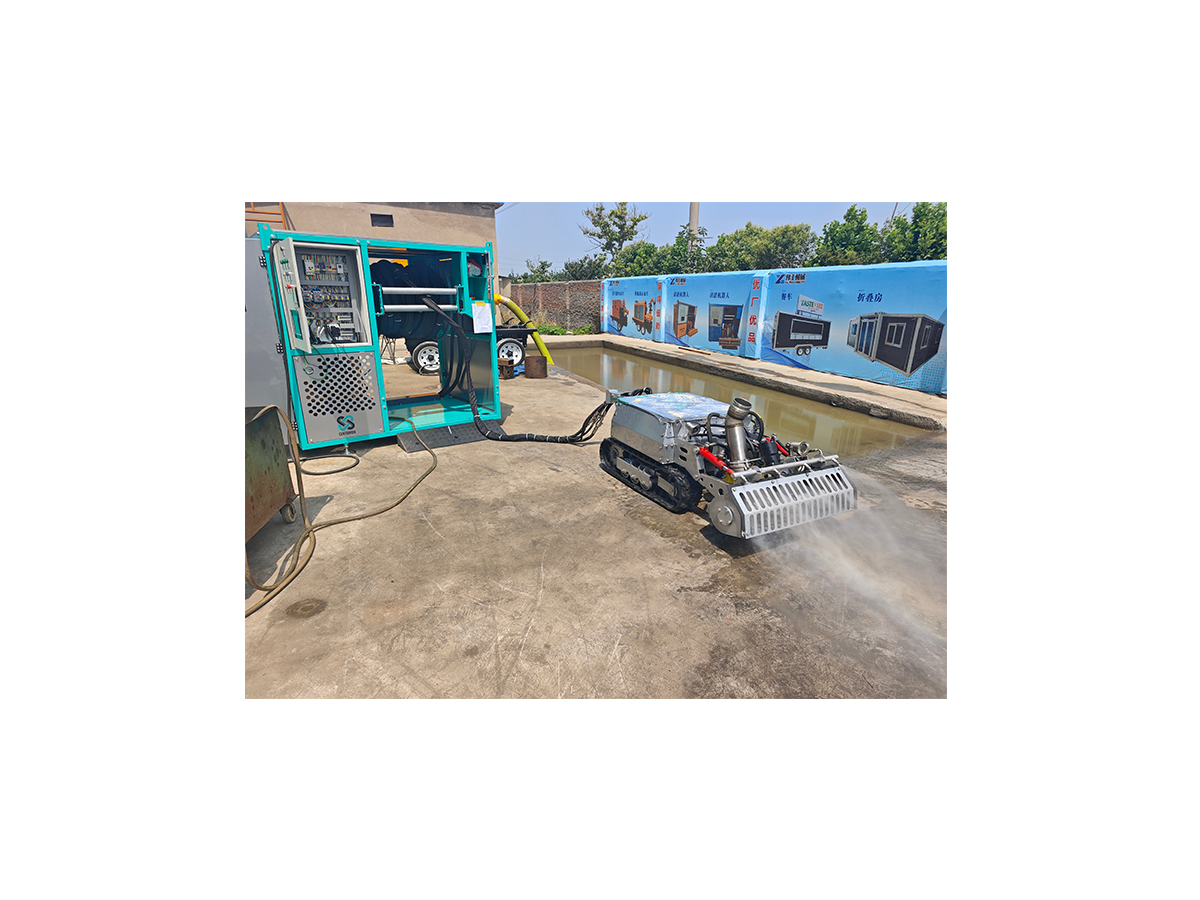
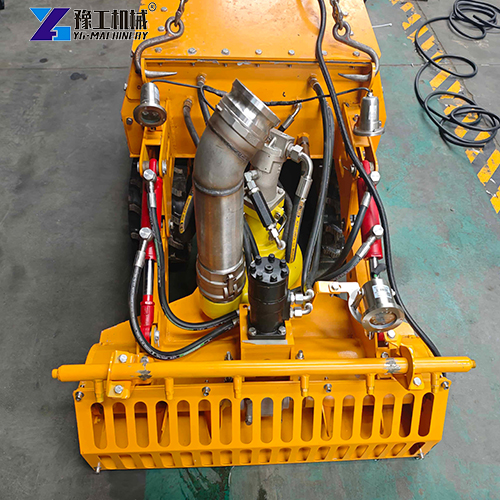
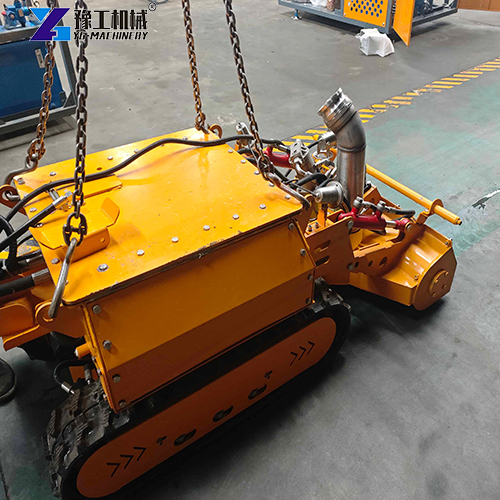
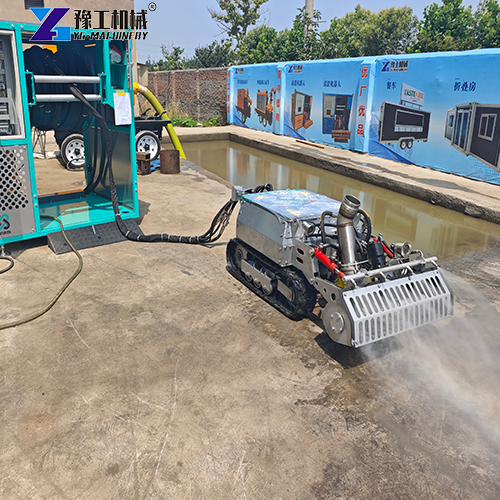
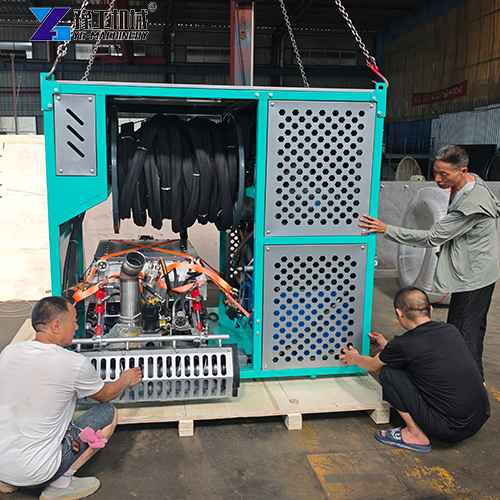
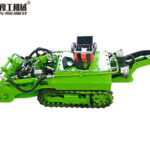
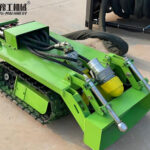
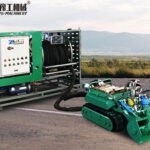
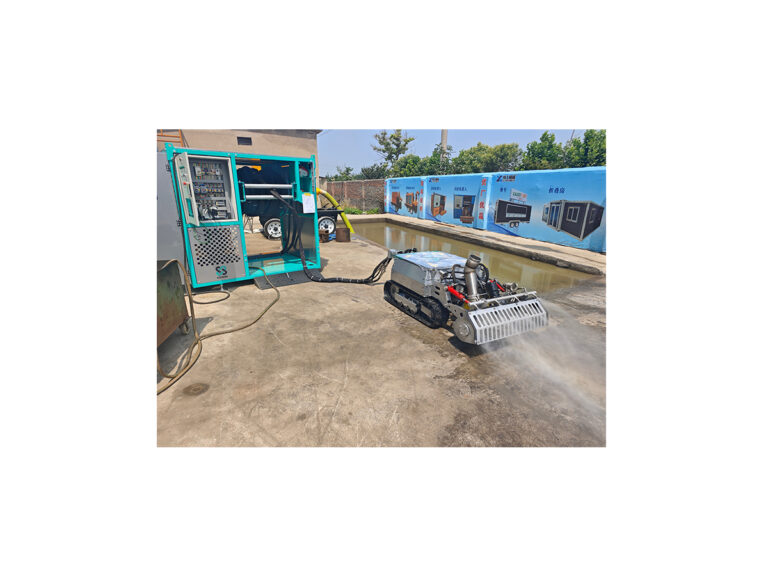
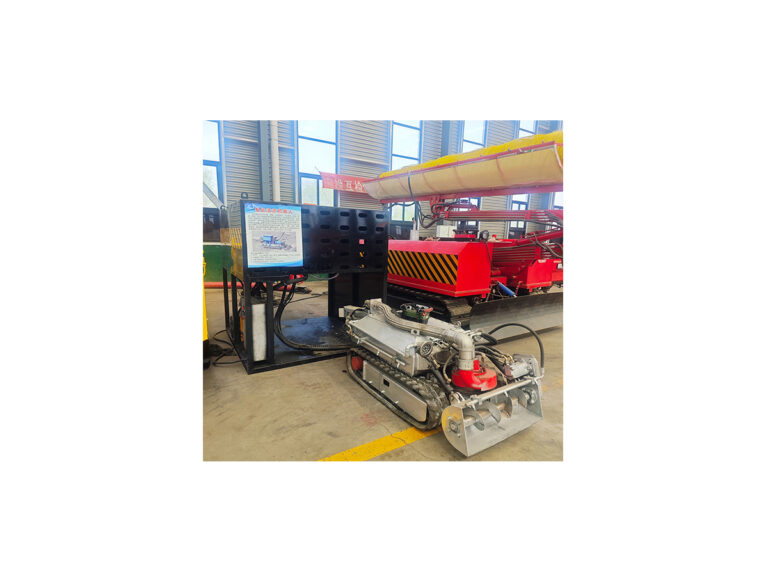
YG solution: The YG team recommended the YG600 electric crawler cleaning robot. This model measures only 1500×600×650 mm, so it can easily enter tight pipes. It is equipped with a high-definition camera for visual remote control, delivers a pump flow of 100 m³/h, and has a cleaning width of 600 mm, efficiently removing sediment from the pipe bottom.
Process: After multiple rounds of technical discussions and on-site demonstrations, the YG technical team tailored a complete package for Bangkok’s drainage conditions, including robot selection, operator training, and after sales support. In November 2024, the purchase contract was officially signed, and the first two units of the YG600 tank cleaning robot were delivered.
Results: After deployment, a single robot can clean about 8–10 m³ of sludge per hour. A task that previously required 5 workers and 3 days can now be completed by just 1 operator in 8 hours of remote operation. There is no need for road closure or dewatering, achieving the safe and environmentally friendly goals of “system keeps running, workers stay out of the pit, and sludge does not touch the ground.”
Case 2: Industrial Storage Tank Cleaning Project in Chonburi Province, Thailand
Client background: A large chemical plant in Chonburi Province has dozens of huge storage tanks for chemical raw materials and wastewater. Over time, a large amount of high viscosity sediment accumulates at the bottom, seriously reducing usable tank volume and production efficiency.
Construction challenges: The tanks are enclosed spaces with risks of flammable and explosive gases. Traditional manual cleaning requires shutting down production for several days, emptying the tank, ventilating, and then sending workers inside – each cleaning costs hundreds of thousands of baht and exposes workers to extreme danger. The plant urgently needed a device that could clean the tanks without stopping production.
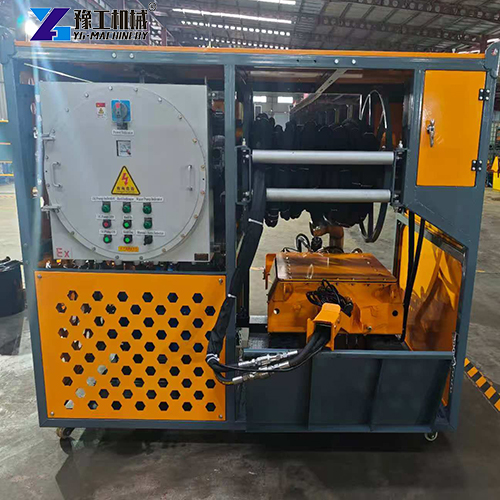
YG solution: YG provided the YG900 explosion proof underwater crawler cleaning robot, which is equipped with explosion proof motors suitable for chemical and other flammable environments. The robot measures 1650×960×750 mm, with a cleaning width of 900 mm, pump flow of 200 m³/h, and a maximum particle size capacity of 50 mm. It also comes with a high pressure water module to forcefully flush tank walls and floors, while the stirring suction head breaks up sediment for extraction.
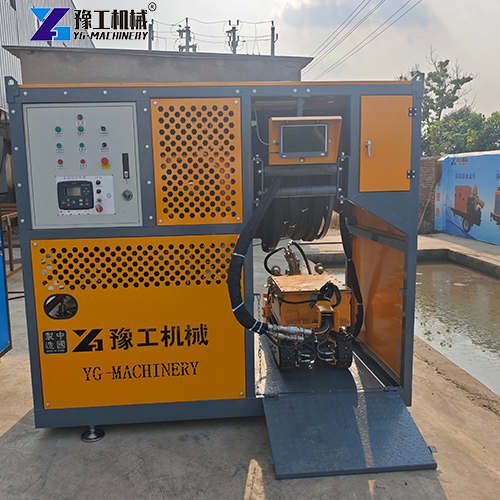
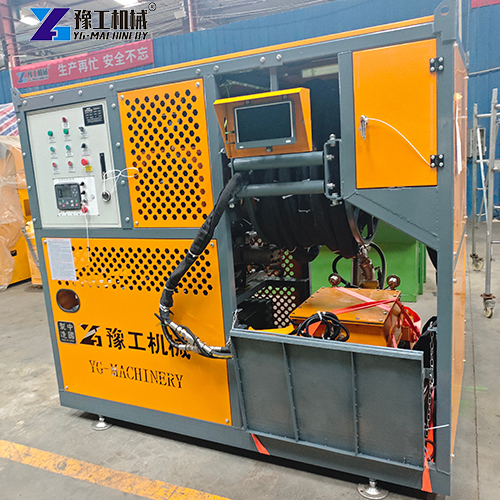
Process: The plant learned about YG’s robotic tank cleaning equipment through industry reputation. To handle the high viscosity chemical deposits in the tanks, they selected optional tools such as an auger crushing suction head and a spreading and grabbing arm. In March 2025, the plant purchased one YG900 explosion proof tank cleaning robot, along with a matching hydraulic power unit and post treatment equipment.
Results: After commissioning, the plant achieved online tank cleaning – no need to stop production or send workers inside. A job that previously required 3–5 days of shutdown can now be completed during production intervals. The cost per cleaning dropped from hundreds of thousands of baht to less than one third of that, and cleaning efficiency increased more than fourfold. More importantly, workers are completely removed from toxic and hazardous environments, and safety risks have been reduced to zero.
The YG crawler cleaning robot has successfully entered the Thai market for three core reasons. First, a full product line – six models from YG500 to YG1200 cover municipal drainage, industrial tanks, river dredging, and more. Second, strong core technology – the robot is equipped with multiple sensors such as LiDAR and visual cameras for autonomous navigation and precise obstacle avoidance. Third, comprehensive service – from site survey and solution design to operator training and after sales support, YG offers one stop service. Additionally, YG robots can operate stably at depths of 30–60 meters, with a wireless remote control distance of up to 50 meters, truly achieving the goal of “no personnel in the tank, safe and efficient” desilting.
Contact YG
If you have needs for municipal drainage pipeline desilting, industrial tank cleaning, or river and lake dredging in Thailand or other Southeast Asian regions, feel free to contact YG for professional underwater desilting solutions. YG will provide you with full process support – from equipment selection and solution design to after sales service – helping you easily handle all kinds of desilting challenges.
rebar straightening machine steel bar straightener In recent years, infrastructure construction in Cyprus has maintained steady growth. Multiple key projects …
sludge dredging robot manufacturer factory direct sludge cleaning machine As urbanization accelerates in Nigeria, the demand for desilting municipal drainage …


No responses yet