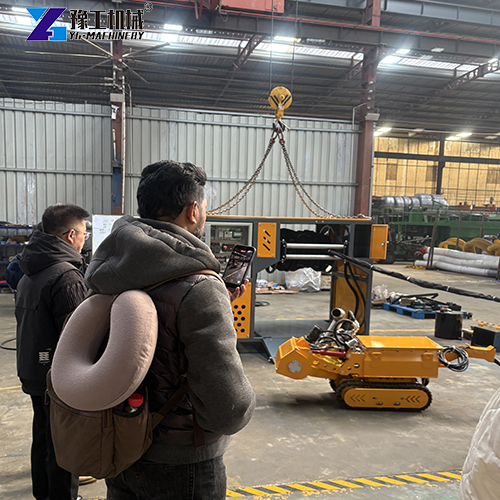
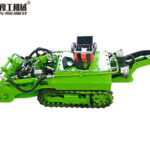
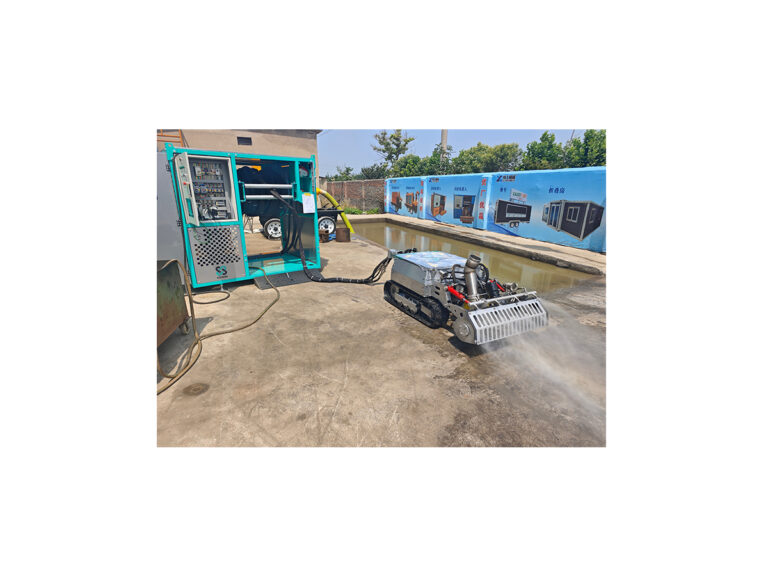
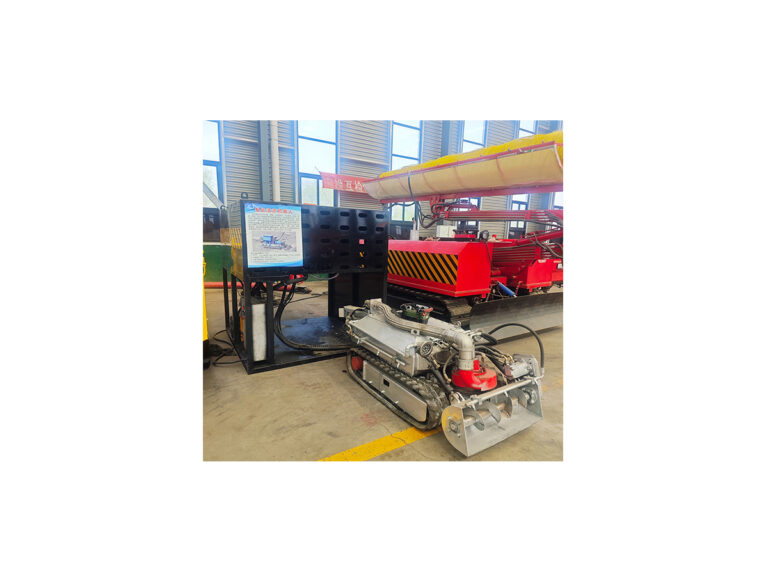
As urbanization accelerates in Nigeria, the demand for desilting municipal drainage networks, wastewater treatment plants, and industrial settling tanks is growing. Traditional manual desilting is not very efficient, and working in confined spaces carries safety risks such as poisoning and suffocation. More and more owners are looking for mechanized alternatives. sludge dredging robot, which can move steadily and suck out deposits underwater and in enclosed spaces, has seen practical use locally in recent years. YG Machinery has delivered multiple electric and diesel-powered sludge cleaning machines to Nigeria. Below are two representative case studies.
Case 1: Desilting a Municipal Drainage Box Culvert in Lagos
Client background The client is a drainage maintenance unit under the Lagos State Water Management Authority, responsible for large drainage box culverts under several major roads in the city. These culverts had accumulated a lot of sand, leaves, and household waste at the bottom, reducing the flow cross-section and causing frequent local flooding during the rainy season.
Construction challenges The box culverts are long and narrow with limited access points, making it impossible to use large construction machinery. Manual entry required road closures, ventilation, and gas detection, and the work window was very short. Only a few workers could rotate in shifts at a time, so the overall progress was slow. The deposit thickness was uneven, with some areas containing crushed stone and plastic debris, which easily clogged ordinary suction equipment.
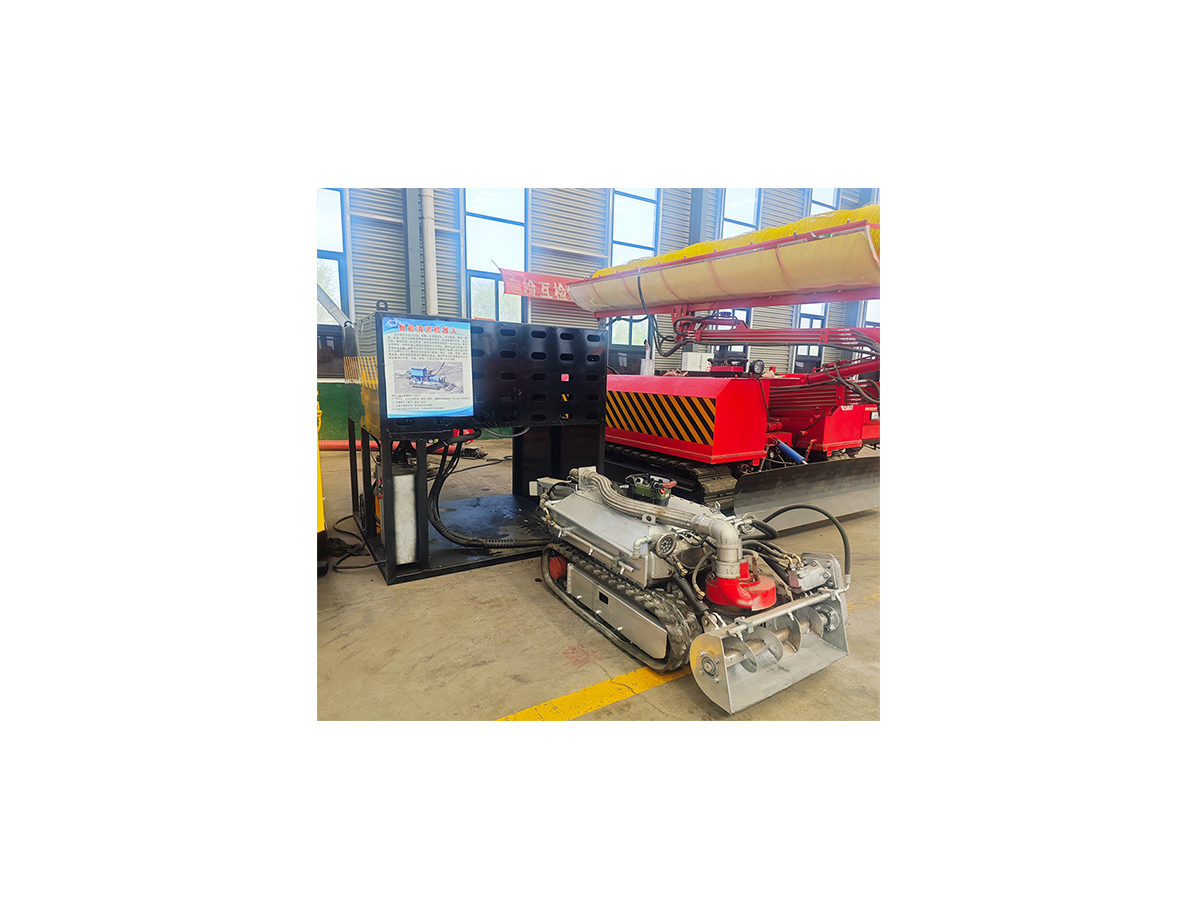
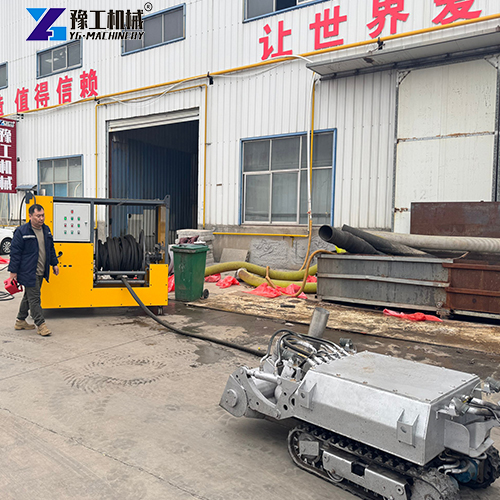
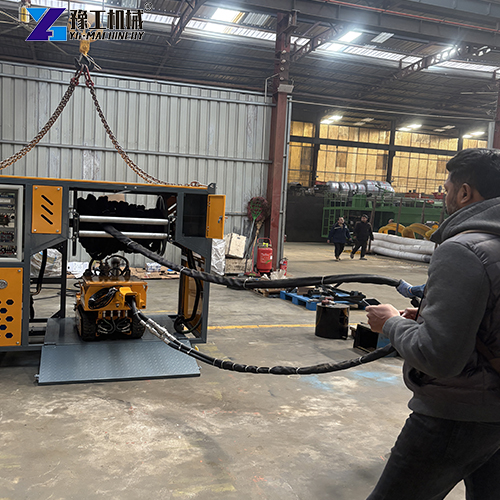
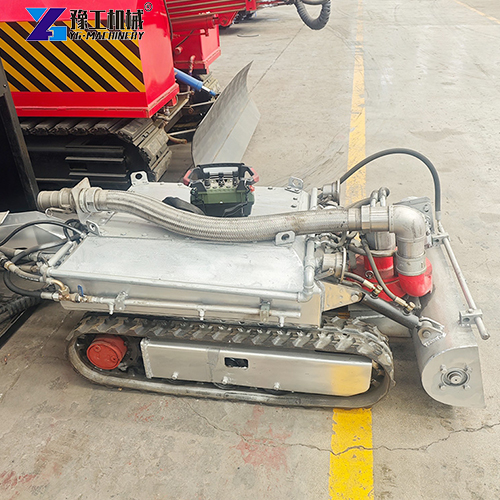
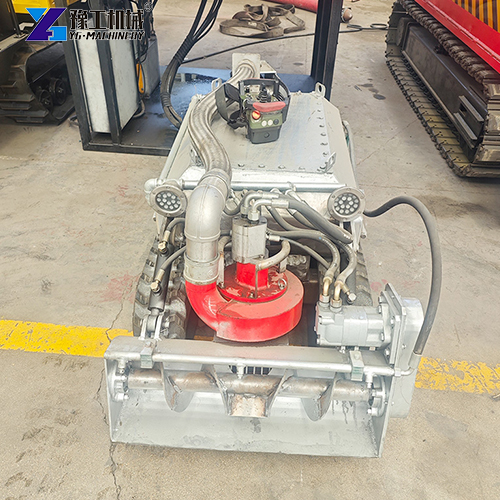
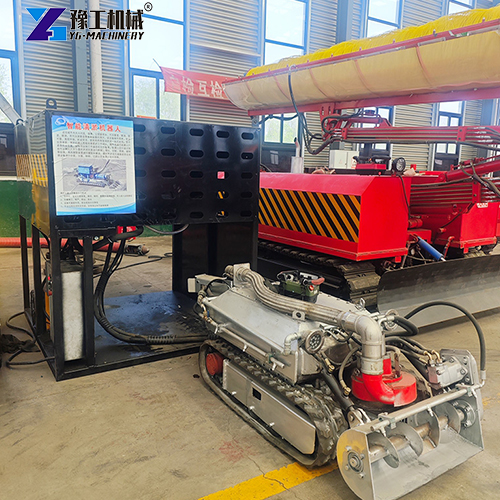
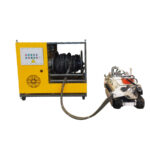
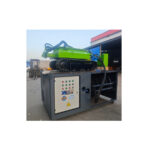
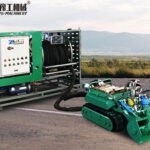
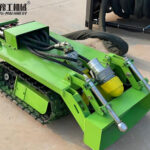
YG solution We selected the YG900 sludge dredging robot, equipped with a 4-inch slurry pump and an auger crushing and stirring suction head, which can chop up mixed deposits at the bottom of the culvert and pump them out. The robot is powered by a hydraulic power unit, and the operator controls the travel path and working posture via wireless remote control from the ground, with no personnel entering the culvert.
Process Based on the culvert cross-section dimensions (2.5 m wide, 1.8 m high) and average silt thickness (about 0.5 m) provided by the client, YG recommended the YG900 model and added a high-pressure water pump option to flush hardened sediment off the walls. After technical clarification and price confirmation, both parties signed the contract. The equipment was shipped by sea to Lagos, and YG provided remote assistance for on-site assembly and commissioning.
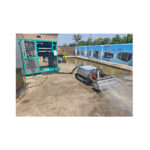
Results The sludge dredging robot worked continuously in the culvert for about five days, removing about 150 tons of sediment. After desilting, the flow cross-section increased significantly, and complaints about flooding on that road section dropped markedly during the rainy season. The client felt that robotic desilting was safe and controllable, and the project duration was nearly halved compared to the planned manual approach. They have since planned to use the equipment for regular maintenance on other road sections.
Case 2: Desilting the Primary Settling Tank at a Wastewater Treatment Plant in Port Harcourt
Client background A municipal wastewater treatment plant in Port Harcourt with a daily capacity of 30,000 tons had been operating for a long time. Its primary settling tank had accumulated a large amount of inorganic sand and organic sludge at the bottom, reducing tank volume utilization and causing fluctuations in effluent suspended solids, which affected the stability of the subsequent biological treatment stage.
Construction challenges The primary settling tank is about 6 m deep, with a dense bottom sediment layer that contains fibrous debris and is highly viscous. There are sludge scrapers and discharge pipes inside, so the robot needed to avoid obstacles. The site required reliable equipment with low failure rates, and the desilting had to be done online without affecting the plant’s normal influent.
YG solution We recommended the YG800 underwater dredging robot with an auger rotary tillage attachment. The auger first loosens the compacted sludge, and then the pump suction system extracts it. The tracked chassis walks steadily on the slippery tank floor and turns flexibly to avoid fixed obstacles like the scraper base. An underwater camera was also installed so the operator could monitor the tank bottom and avoid obstacles in real time.
Process The client held several video conferences with YG technicians to discuss tank dimensions, sludge characteristics, and on-site power supply. Based on the presence of many fibrous materials, YG used a larger-diameter pump pipeline and equipped a crushing suction head. After contract signing, the equipment was shipped to Port Harcourt. YG engineers provided online guidance for installation and control system commissioning, and the client arranged for two operators to receive remote operation training.
Results After the sludge cleaning robot was put into operation, it gradually extracted about 90 tons of sediment from the tank bottom. The plant maintained normal influent during desilting without any shutdown. After desilting, the effluent suspended solids concentration from the primary tank stabilized, reducing the load on the subsequent biological tank. The client reported that the control response was sensitive, the camera image was clear, which helped with obstacle avoidance and positioning, and they are considering using the equipment for annual maintenance of other tanks at the plant.
Q: What optional features are available for the sludge dredging robot? A: Optional add-ons include an underwater high-definition camera (for real-time monitoring of the work area), a high-pressure water pump (to enhance crushing of hard deposits), and auger or crushing heads. Clients can choose flexibly based on actual site conditions.
Q: How to choose between electric and diesel models? A: If grid power or a generator is available on site, we recommend the electric model for lower operating costs. If power supply is inconvenient or the unit needs to move frequently, the diesel-powered hydraulic station is an option, as it operates independently.
Q: What is the maximum working depth? A: The standard design working depth for the YG underwater dredging robot is 30–60 m, covering most drainage box culverts, settling tanks, and river desilting scenarios.
Contact YG
If you are facing desilting challenges with drainage pipes, settling tanks, or rivers, feel free to contact YG Machinery. We offer one-stop services from site survey, equipment selection, operation training, to after-sales support. Reach out to us via our official website or email.
rebar straightening machine steel bar straightener In recent years, infrastructure construction in Cyprus has maintained steady growth. Multiple key projects …
sludge dredging robot manufacturer factory direct sludge cleaning machine As urbanization accelerates in Nigeria, the demand for desilting municipal drainage …

No responses yet