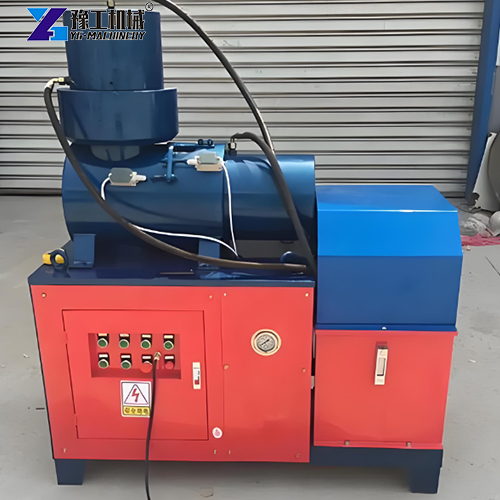
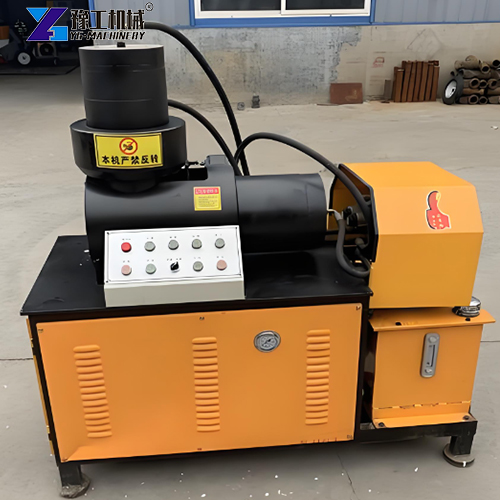
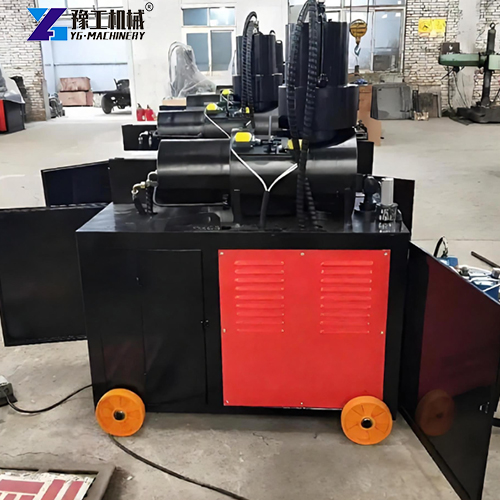
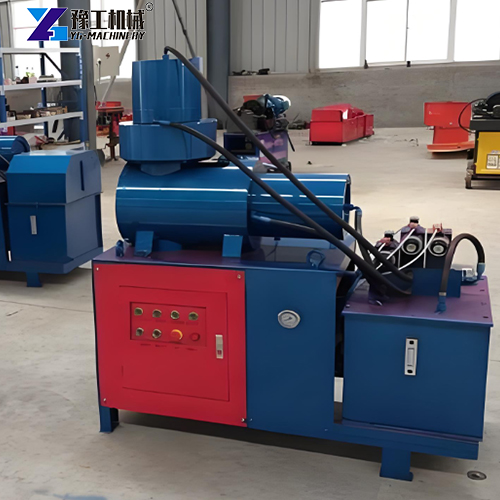
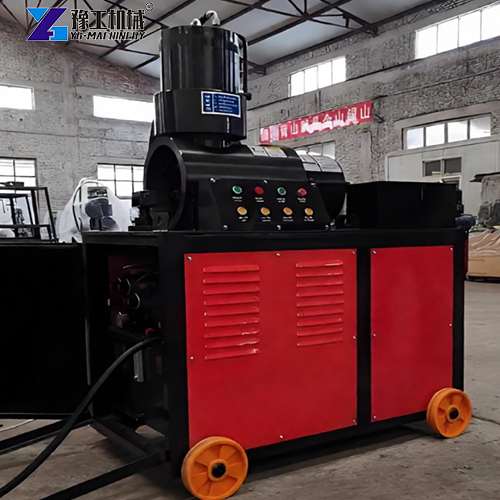
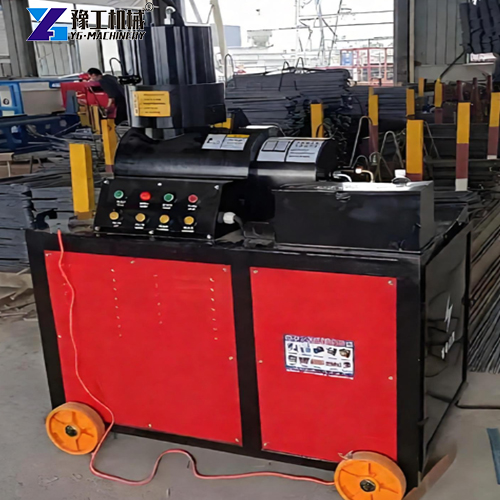
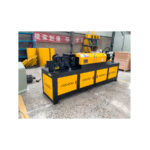
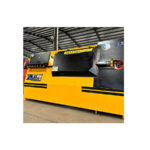
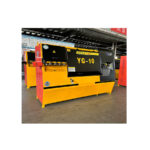
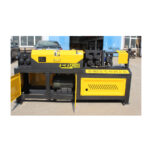
Reliable rebar connection is critical in high-rise buildings and infrastructure projects. Traditional welding and binding methods are not only low in efficiency but also make it hard to guarantee that joint strength matches the base rebar material. The rebar forging machine upsets and enlarges rebar ends through cold extrusion technology, making the subsequent straight thread connection strength stronger than the parent steel bar. As a professional manufacturer of rebar upset forging machines, YG Machinery supplies two series: single-cylinder and double-cylinder, to meet the processing demands of projects of different scales.
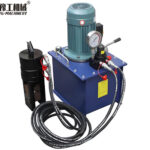
The working principle of a rebar upsetting machine relies on metal plastic deformation. After the machine is started, the high-pressure oil pump delivers hydraulic oil into the working cylinder to push the piston forward and drive the movable die to clamp the rebar end. Under tremendous pressure (up to 2036kN for the single-cylinder model), the metal at the rebar end flows plastically and its diameter increases by 3- 5 mm. The processing method of this rebar end upset forging machine does not cut the base material of the rebar. Instead, it improves material strength via cold hardening, so the tensile strength of the upset section even exceeds that of the original rebar.
During the whole process, the hydraulic system precisely controls pressure and stroke to ensure consistent upset dimensions every time. After upsetting is finished, the piston retracts, the spring mechanism automatically releases the rebar chuck, and the operator can take out the workpiece.
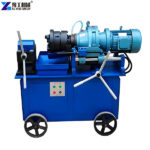
Match Rebar Forging Machine with Rebar Thread Rolling Machine
Rebar upsetting is not the final procedure, but a preprocessing step coordinated with the rebar thread rolling machine. The enlarged rebar end after upsetting provides sufficient material for subsequent thread rolling, which ensures qualified thread depth and structural strength.
Standard technical process: First, use a rebar upsetting machine to upset the rebar end; then process straight threads on the upset section with a rebar thread rolling machine; finally, connect two rebars with a coupler. This combined “upsetting + thread rolling” process delivers joint strength higher than the rebar base material. It is widely adopted in projects with strict connection requirements, such as buildings, bridges, high-speed railways, subways, tunnels, and power stations.
YG provides one-stop supporting solutions for rebar upsetting machines and rebar thread rolling machines. The process parameters of the two machines are perfectly matched to help customers achieve efficient and high-quality rebar connections.
Operation Procedure of Rebar Upset Forging Machine
Step 1: Power on and preheat
Switch on the power supply to activate the high-pressure oil pump. Run the machine idle for 2 minutes in winter, or 3-4 cycles in summer, to expel air from the oil pipes and the oil tank and prevent piston creeping.
Step 2: Clamp the rebar
Pressurized oil enters the rear cavity of the working cylinder, pushes the piston forward, and drives the movable die. The rebar chuck automatically locks the workpiece.
Step 3: Upset and form
Check the pressure gauge reading and adjust pressure according to rebar specifications. The piston impacts the rebar end to trigger metal plastic deformation and gradually thicken the diameter.
Step 4: Return stroke and unload
Shift the reversing valve to feed pressure oil into the front cavity for piston retraction. The movable die resets under spring force and releases the rebar automatically. Set the reversing valve to the neutral position and remove the finished workpiece.
Key Points for Die Adjustment
Elastic force of four springs must be equal; parallelism of the switch plate top and bottom shall not exceed 0.2mm
Keep a 2- 4 mm gap between the back of the spring plate and the die base surface
Adjust the travel limit switch based on required upset length to avoid over-travel of the piston
Factors to Consider When Selecting a Rebar Upsetting Machine
1. Rebar specification range
The single-cylinder model processes 12-32mm rebars, while the double-cylinder model handles 16-40mm rebars. Select the correct model based on commonly used rebar diameters on site to avoid underloaded or overloaded equipment.
2. Project scale and construction schedule
Choose the compact single-cylinder rebar upset forging machine for small and medium projects with loose timelines for easy site transfer. Pick the double-cylinder model for large infrastructure and mass production; its 11kW high power guarantees stable continuous operation.
3. On-site power supply conditions
The single-cylinder unit only requires 4kW with low power demand. The double-cylinder version needs 11kW, so you need to confirm the local power supply capacity in advance.
4. Transportation and relocation needs
The 560kg single-cylinder machine can be moved manually. The 1200kg double-cylinder model requires a forklift or crane. The single-cylinder type is more advantageous for frequent site transfers.
5. Budget and return on investment
The single-cylinder machine has a lower upfront cost for budget-limited projects. Though the double-cylinder model costs more initially, it features higher efficiency and wider applicability for better long-term cost performance.
Q1: How much can the rebar diameter increase after upsetting?
A: Normally, the diameter expands by 3- 5 mm, depending on the original rebar size and upset pressure. The rebar end upset forging machine process ensures that the strength of the thickened section meets straight-thread connection standards.
Q2: Will the upsetting machine damage the rebar base material?
A: No. The rebar forging machine adopts cold extrusion technology without metal cutting. It boosts material strength through plastic deformation, and the tensile strength of the upset part is actually higher than the original rebar.
Q3: How to choose between single-cylinder and double-cylinder types?
A: Make a comprehensive judgment based on rebar diameter, daily processing volume, and site conditions. Select single-cylinder for 12-32mm rebars and small/medium batches; choose double-cylinder for 16-40mm rebars and mass production.
Q4: What daily maintenance does the machine need?
A: Regularly check hydraulic oil level and quality, replace hydraulic oil every 500 working hours; inspect die wear and replace worn parts in a timely manner; keep the machine clean to prevent dust from entering the hydraulic system.
Q5: How to connect rebars after upsetting?
A: Process straight threads on the upset end with a rebar thread rolling machine, then fasten two rebars together via a coupler. The joint strength surpasses that of the base rebar with excellent seismic resistance.
Contact YG for Professional Solutions
Whether you need single-cylinder or double-cylinder models, YG provides complete pre-sales model selection guidance, after-sales technical support, and genuine spare parts supply. Contact us right away to get the optimal rebar upsetting solution tailored to your project.
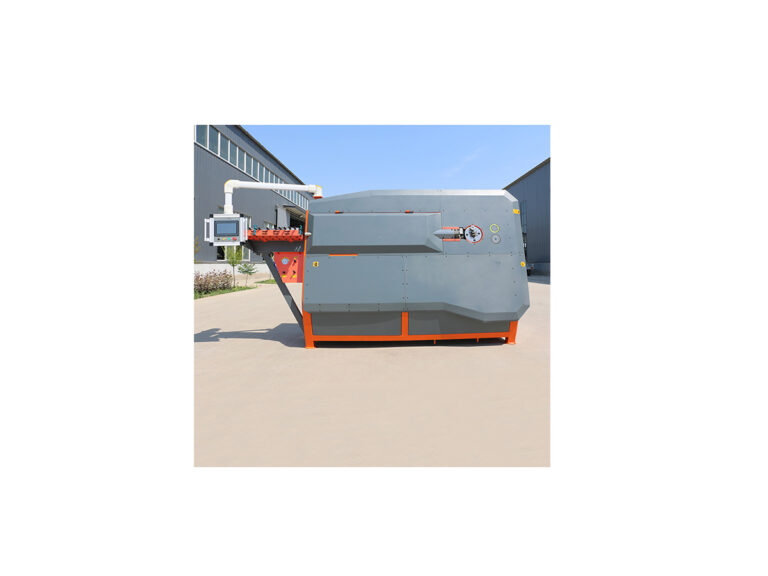
rebar straightening machine steel bar straightener In recent years, infrastructure construction in Cyprus has maintained steady growth. Multiple key projects …