There are different types of wheel loaders. Some work well on open farms, while others are ideal for indoor warehouses. Some run on diesel, and others are electric. Have you picked the right one?
YG supplies wheel loader equipment with both diesel and electric power options, helping customers in Brazil choose the right model for their actual working conditions.
The first case features a coffee farm in São Paulo State, which purchased a diesel-powered heavy equipment front loader to move forage and coffee beans on sloped ground. The second case is totally different: a logistics warehouse in Curitiba bought an electric wheeled front loader to load and unload bagged grain quietly in narrow aisles.
Case 1: Diesel-Powered Wheel Loader Equipment for a Coffee Farm in São Paulo State
Customer Background
This is a medium-sized coffee farm in São Paulo State, with a planting area of around 200 hectares and an annual coffee bean output of about 300 tons. The farm also raises roughly 100 beef cattle, combining crop farming and animal husbandry. It employs 12 full-time workers and hires temporary staff during harvest seasons.
Working Challenges
Most farm roads are dirt roads with slopes steeper than 20 degrees, which become slippery after rain. Daily work includes transporting harvested coffee beans from drying yards to warehouses (one-way distance: about 500 meters), moving bagged fertilizer to farmlands, carrying forage twice a day, and cleaning cattle manure. The farm previously relied on an old tractor and manual labor, leading to low efficiency. Operators also complained about the difficulty of the operation. The farm needed easy-to-use, fuel-efficient equipment suitable for sloped terrain.
YG Solution
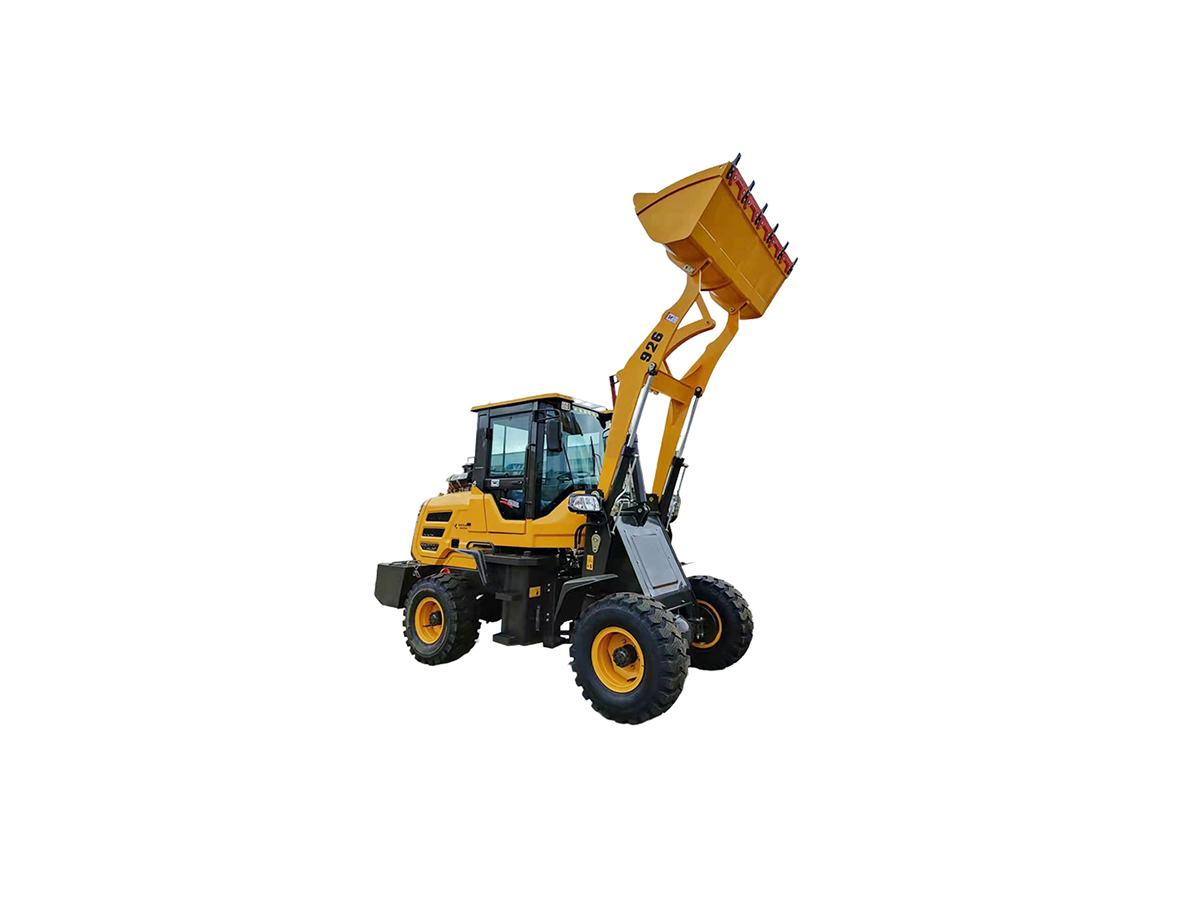
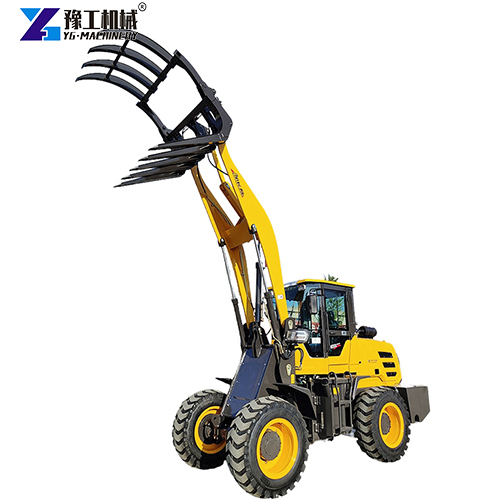
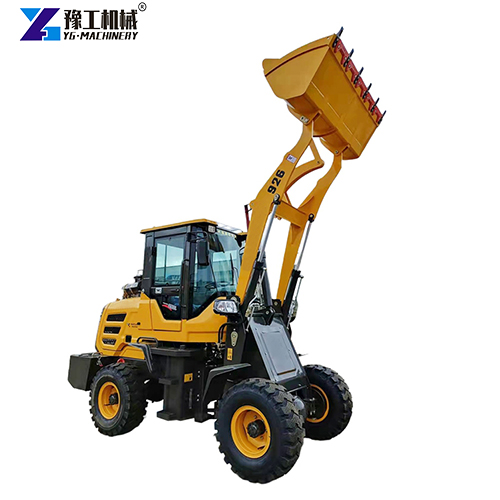
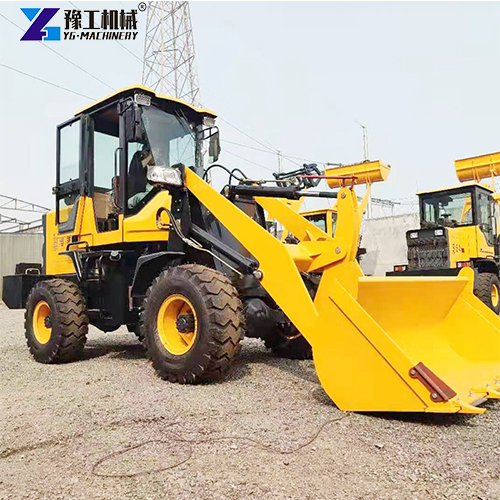
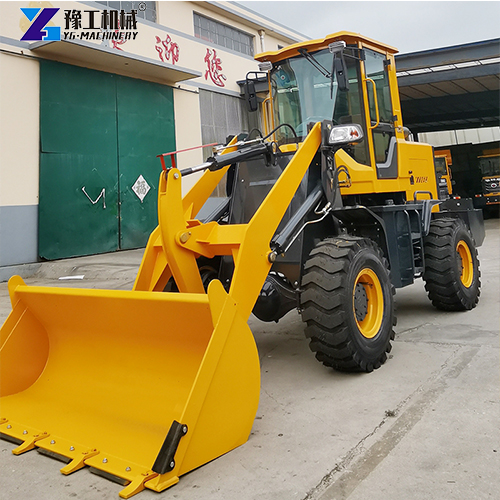
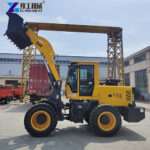
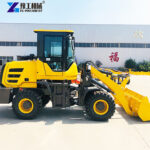
We recommended the YG930 heavy equipment front loader, equipped with a standard 1.8 m³ bucket and grapple attachment. Fitted with a Continuously Variable Transmission, it operates like an automatic car, so new operators can master basic use within half a day. The large wheel reducer axle delivers strong traction for climbing slopes, and the pneumatic brake ensures safe parking on inclines. We also offered a special grain bucket as an optional attachment. Its large capacity and residue-free design reduce coffee bean damage and leftover materials.
Cooperation Process
After the customer contacted us, we arranged an online video demonstration to show the machine’s start and brake performance on slopes. The customer mainly asked about actual fuel consumption and daily maintenance. We provided fuel consumption data of the same model running in Brazil (4.5 to 5 liters per hour, varying with working intensity). We also supplied bilingual maintenance manuals in Chinese and Portuguese, plus troubleshooting videos for easy self-maintenance. After around one week of communication via WhatsApp and emails, the customer signed the purchase contract and ordered a YG930 diesel loader with a standard bucket and grapple.
Operation Result
A worker with tractor driving experience received on-site training. He could operate the machine independently for forage transport, coffee bean delivery, and manure cleaning after two days. Tasks that once needed 3 to 4 workers can now be finished by one operator, freeing up labor for field management. The machine consumes 120 to 150 liters of diesel per week, cutting fuel costs compared with the old tractor. This construction wheel loader has run stably for about 8 months with over 800 working hours. Only hydraulic oil and filters were replaced once, with no major faults.
Case 2: Electric Wheel Loader Equipment for a Warehouse in Curitiba
Customer Background
This distribution warehouse in Curitiba stores and distributes bagged grain (rice, beans) and daily goods. It is a fully enclosed steel building covering 3000 square meters, with aisle width between racks of 2.5 to 3 meters. The warehouse serves nearly 200 local supermarkets and small shops.
Working Challenges
Strict environmental rules apply indoors: no diesel exhaust is allowed to avoid contaminating bagged goods, and noise must be kept low so it does not disturb office staff and nearby residents. The narrow aisles cannot fit large loaders, while manual pallet trucks are too slow. Daily work includes moving incoming bagged grain from unloading zones to racks (one-way distance: about 80 meters) and transferring outgoing goods to loading platforms. The actual working time is 3 to 4 hours per day with intermittent operation.
YG Solution
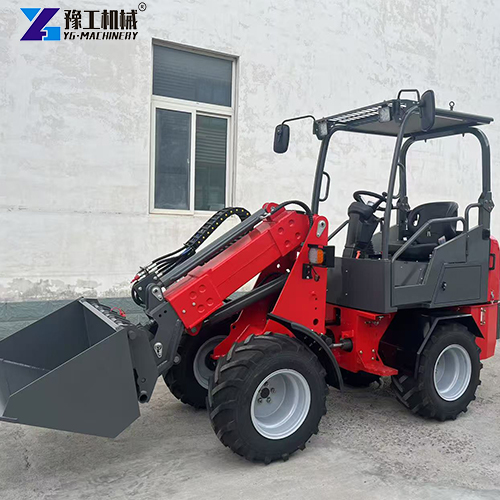
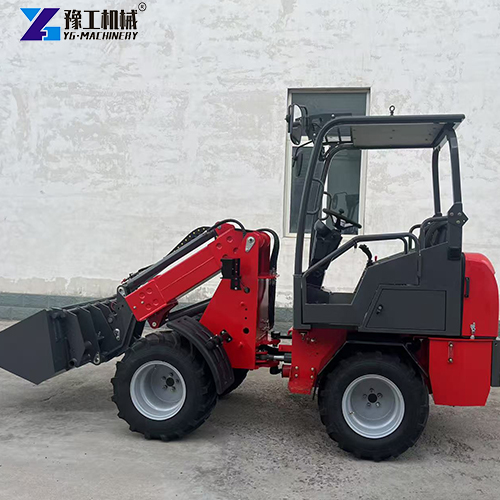
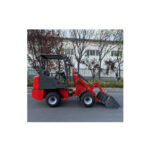
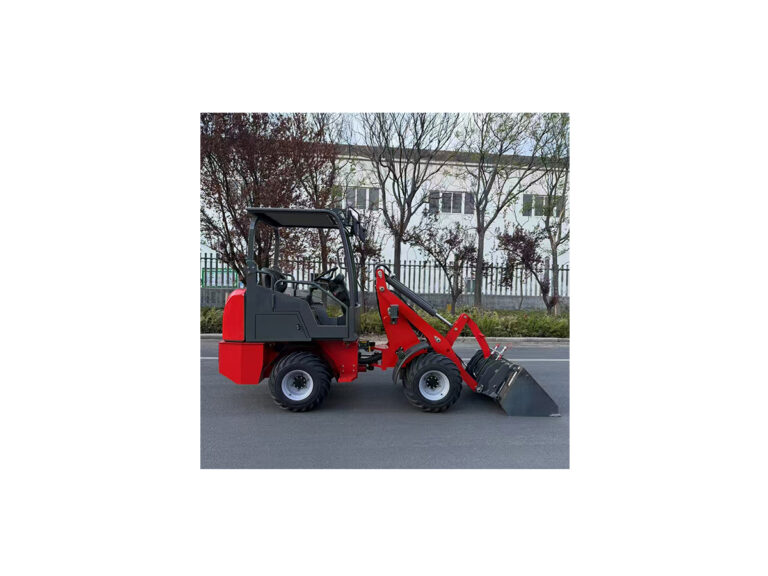
We provided the electric wheeled front loader with a 0.3 m³ bucket, whose width perfectly fits the warehouse aisles. The total machine width is only 1.16 meters, with a turning radius of 2.6 meters, enabling in-situ turning at aisle ends. Powered by a 72V lead-acid battery, it runs for 4 to 5 hours on a full charge, fully meeting daily working demands. Equipped with two independent traveling motors, it starts and stops smoothly with stepless speed regulation. We also supplied a fork attachment for pallet handling to expand its functions.
Cooperation Process
The customer found our electric construction wheel loader via Google and sent an online inquiry. During communication, they focused on battery lifespan, charging time, and maintenance difficulty. We informed them that the battery still retains 80% capacity after around 800 full charge-discharge cycles. It can be charged with a standard 220V socket and takes 6 to 8 hours to fully charge, so the warehouse can charge it overnight at low electricity rates. We also sent electronic maintenance manuals and operation guides for daily checks. After two weeks of emails and two video calls, the customer placed an order for one electric loader plus one spare battery for non-stop operation.
Operation Result
The warehouse supervisor reported that the handling efficiency for bagged grain has doubled compared with manual pallet trucks. One operator can finish work that previously required two people. The electric loader runs below 60 decibels, creating almost no noise in the office area. It uses only 4 to 5 kWh of electricity per day. Calculated with local electricity prices, the monthly power cost is less than 200 Brazilian Real, far lower than the fuel cost of a diesel loader. The machine has worked steadily for more than 500 hours with batteries in good condition. Thanks to zero emissions and low noise, this electric wheel loader equipment has become a popular handling tool in the warehouse.
Other Application Scenarios of YG Wheel Loader Equipment in Brazil
Besides coffee farms and warehouses, YG wheel loader equipment is widely used across Brazil:
Sugarcane plantations: Matched with grapples to transport straw and bagasse efficiently.
Small quarries and sand yards: Diesel models for loading crushed stones and sand.
Construction sites: Clearing construction waste, feeding mixers, and leveling ground.
Municipal sanitation: Fitted with snow sweepers (used to clean road debris in most areas of Brazil) or water sprinklers.
Food processing & fruit and vegetable packaging workshops: Electric models with zero exhaust and low noise, perfect for indoor work.
Livestock farms: Electric loaders produce no exhaust and will not scare animals.
Waste recycling stations: Electric models suit indoor work and improve the working environment.
YG Always Stands by You
Whether you are comparing different loader brands or have confirmed your purchasing needs, feel free to contact YG. We do not push sales, but offer professional advice and real product data. The Brazilian market is very important to us, and every customer’s feedback drives us to keep improving our products.
rebar straightening machine steel bar straightener In recent years, infrastructure construction in Cyprus has maintained steady growth. Multiple key projects …
sludge dredging robot manufacturer factory direct sludge cleaning machine As urbanization accelerates in Nigeria, the demand for desilting municipal drainage …


No responses yet