Remote Control Load Moving Skates: Safer, Smarter Heavy Load Relocation for Industrial Sites
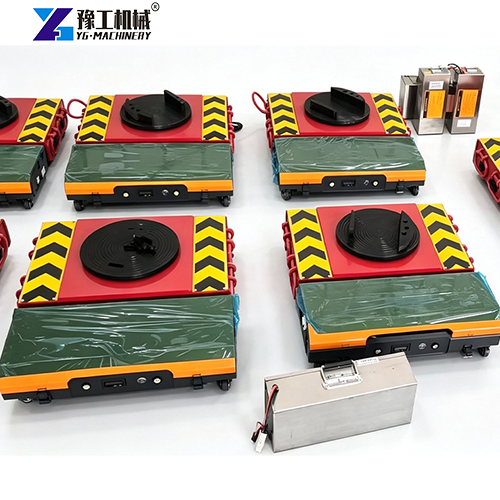
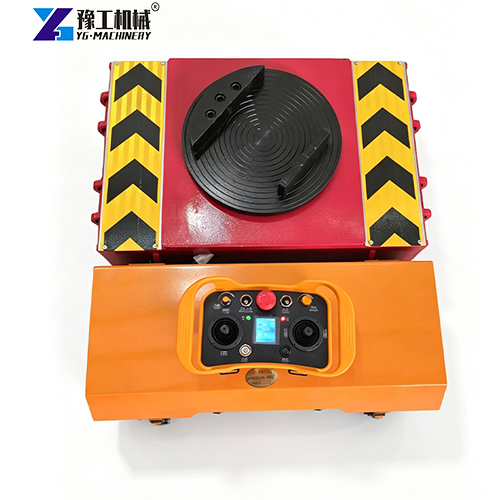
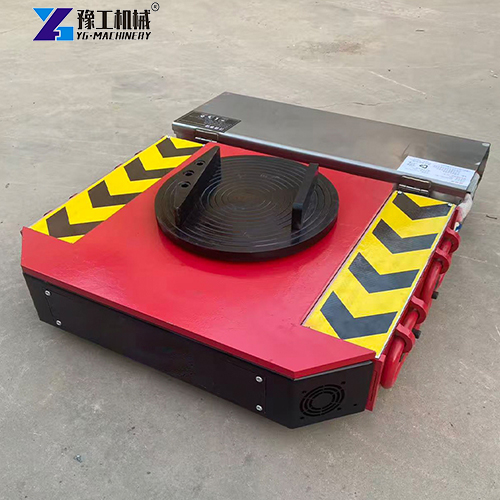
remote control load moving skates
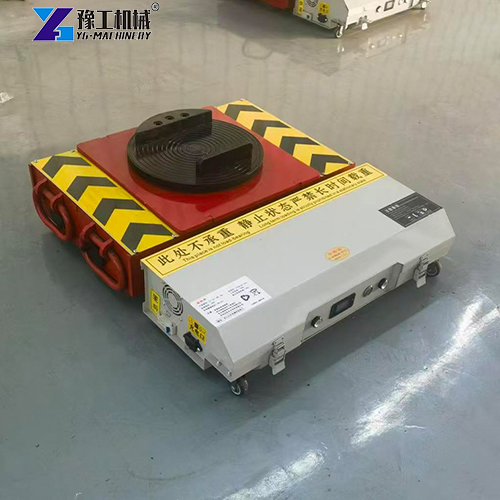
battery powered machine moving skate
Heavy equipment relocation prioritizes safety and controllability above all else. Remote control load moving skates support single-operator wireless remote control from a distance and synchronized multi-unit linkage. Capable of zero-radius turning and working on slopes of 3–15°, they are widely used in factories, warehouses, and energy engineering projects to efficiently complete the smooth relocation and positioning of all kinds of heavy loads.
Manual heavy load skates have been used for decades, but they come with risks that are easy to underestimate:
Crew exposure to crush and pinch injuries. Workers push, pull, and pry by hand, standing directly in the load path. A single slip can trap a hand or foot.
Blind operation. Operators are too close to the load to see its front, top, or far side; obstacles, cables, and people go unnoticed until contact.
Poor directional control. Conventional skates steer poorly; in narrow aisles, correcting a wandering load means unloading and resetting.
Slope and floor instability. Unpowered skates on a 3–15° slope can run away or shift sideways, and debris on loose ground causes jerky stops.
Uneven load distribution. With no synchronized drive, one corner may lift or drag, tilting precision equipment and risking component damage.
High labor cost and long cycles. Every move needs multiple workers, longer setup, and more downtime — and remote control machinery skates eliminate most of these exposures at once.
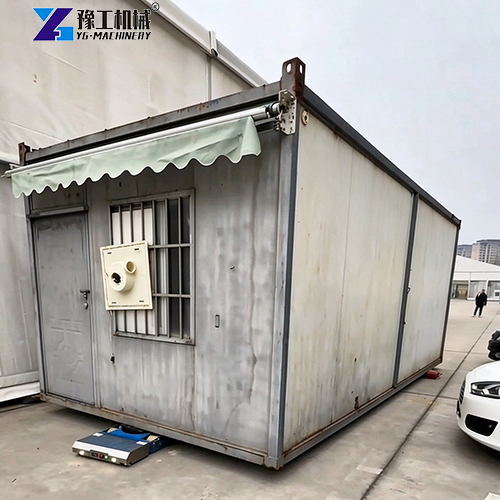
remote control load moving skates for folding container house transport
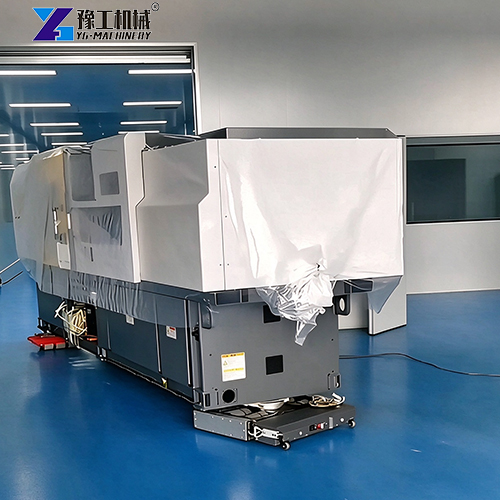
remote control machinery skates for medical equipment handling
What “Remote Control” Really Means for Safety on Site
Remote operation is not a convenience feature — it is a structural change in how risk is managed:
50-meter effective control range. The operator stands at a safe, elevated observation point instead of beside the load.
Single-operator work. Fewer people in the danger zone; one operator commands the whole move, reducing coordination errors.
Full-field visibility. From a distance, the operator sees the route, the load, and the surroundings at the same time.
Industrial-grade controller and brake-equipped drive units. Remote control load moving skates start, stop, and hold smoothly, with braking built into every drive train.
Consistent, repeatable motion. Loads move at a set, adjustable speed — no sudden heaving from a crew straining in unison.
How Remote Control Load Moving Skates Achieve Stable & Level Heavy Load Movement
Independent wheel drive with zero turning radius. Each drive unit turns in place, so direction changes need no reversing — critical in narrow workshops and tunnels.
Synchronized multi-skate linkage. Main skates share a wireless link and advance together, keeping the load level with no corner drag or tilt.
Heavy-duty structure. Q355 manganese steel plates (10–16 mm) and 290 mm flanges spread pressure evenly across the support points.
Shock-absorbing polyurethane wheels. High-hardness imported polyurethane cushions floor impacts, protecting both the load and the floor.
Adjustable creep speed for fine positioning. The 2–10 m/min range allows low-speed alignment for bolt holes and tight clearances.
Load Capacity Margin: The Most Common Selection Mistake
Most selection errors come from treating the nameplate rating as a real-world limit:
Rated capacity assumes an even, centered load on level ground. Real loads rarely match that assumption.
Center of gravity shifts. Top-heavy or offset loads concentrate force on one skate; a “60 T” job may require three or four units.
Slopes derate capacity. Working on 3–15° slopes reduces effective capacity, so a safety margin must be built in.
Support-point math decides the configuration. 1 main + 2 auxiliary skates = 3 points (most projects); 2 main + 2 auxiliary = 4 points; 3–4 synchronized main skates for in-situ translation.
Rule of thumb: choose a system whose combined capacity exceeds the actual load with margin; when in doubt, add an auxiliary skate instead of pushing any single unit to its limit. Skates for moving heavy objects should always be selected for the worst-case support point, not the average.
Best Practices for Synchronized Operation of Battery Powered Machine Moving Skates
1 main skate + 2 auxiliary skates — the standard setup. Three support points cover about 90% of relocation projects, keep steering flexible, and simplify setup.
2 main skates + 2 auxiliary skates — four-point support. Recommended for wide, top-heavy, or highly sensitive equipment where stability matters more than agility.
3 or 4 synchronized main skates — in-situ translation. For extremely narrow spaces, sideways movement, or oversized and irregular loads.
Use matched units. Synchronized groups must use the same model and capacity so speed stays consistent across all points.
Charge every unit fully before work. Uneven battery levels cause speed mismatch and drift.
Start and stop gently. Abrupt acceleration or braking can shift the load; finish positioning at creep speed.
Q1: What are remote control load moving skates used for?
They relocate heavy machinery, CNC machines, injection molding machines, steel coils, molds, transformers, generators, and prefabricated components — any skates for moving heavy objects in factory, warehouse, port, or construction environments.
Q2:Can remote control machinery skates adjust the moving speed freely during operation?
Yes. Its travel speed is adjustable from 2 m/min to 10 m/min. Low speed is recommended for fine alignment, while higher speed is suitable for long-distance straight movement.
Q3: How long does the battery last on a full charge?
Continuous runtime is 2–3 hours on the 10T model and 4–5 hours on the 40–60T models, depending on load and terrain. Ternary lithium and lithium iron phosphate options are available.
Q4: Canthe equipment work outdoors in rainy weather?
They are not waterproof. Please avoid working in heavy rain or stagnant water environments to prevent damage to motors, controllers, and lithium batteries.